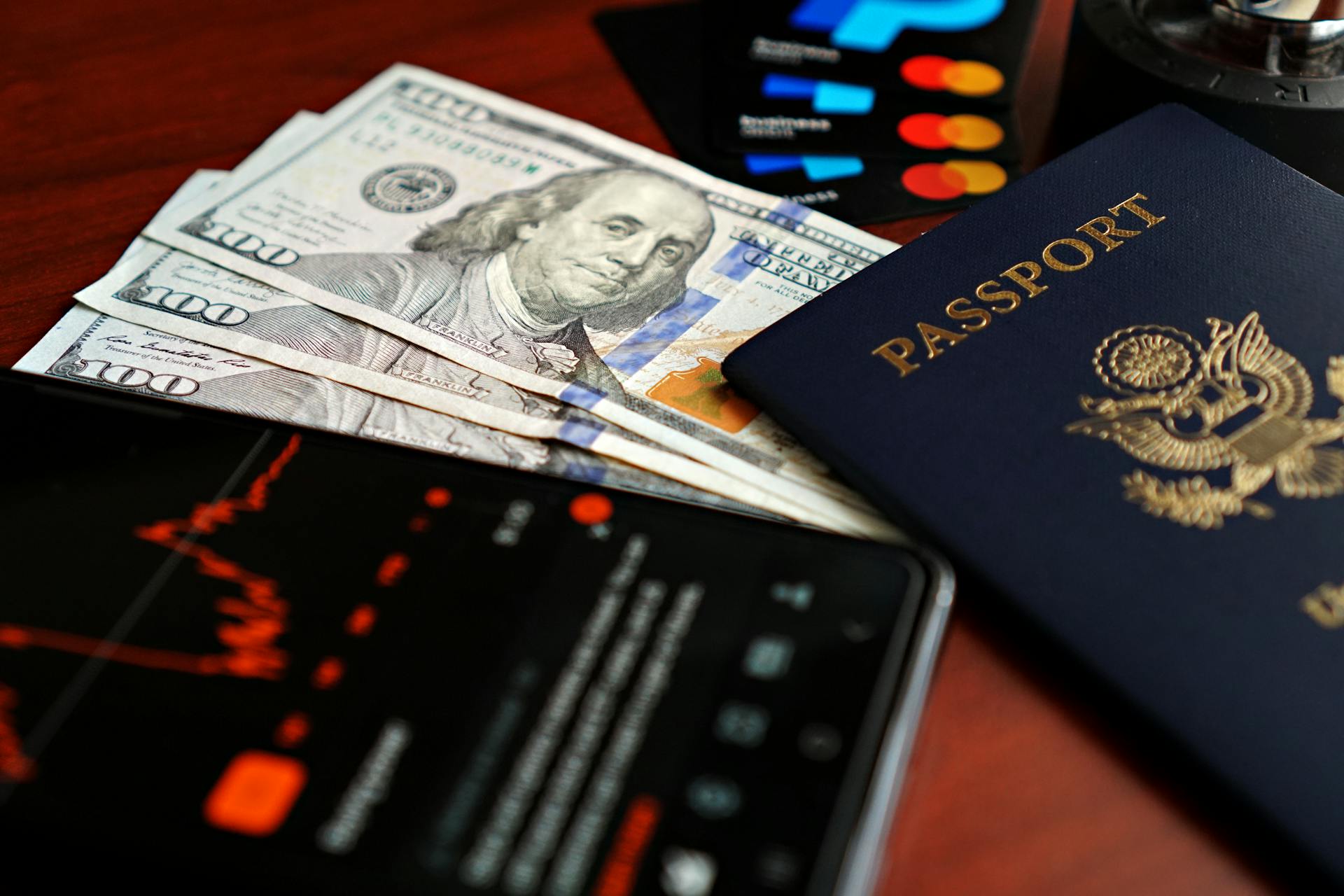
The global economy is currently facing pressure due to rising inflation, high interest rates, and ongoing geopolitical tensions. Major economies such as the United States, Europe, and China are experiencing slower growth than expected.
Developing countries are the most affected, as they rely heavily on imports, foreign investments, and international aid. Food prices, fuel costs, and essential goods have become more expensive, creating challenges for low-income populations.
Experts suggest that the slowdown is temporary but could last longer if global conflicts and supply chain disruptions continue. Governments are now focusing on stabilizing their economies through fiscal reforms and trade adjustments.
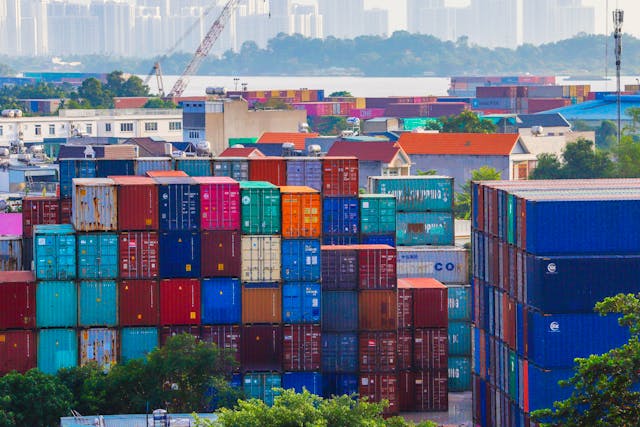
Experts suggest that the slowdown is temporary but could last longer if global conflicts and supply chain disruptions continue. Governments are now focusing on stabilizing their economies through fiscal reforms and trade adjustments.
Economists believe that digital transformation, renewable energy investments, and new trade partnerships may help recover global stability in the coming years.
The Beilive of Economist
Economists believe that digital transformation, renewable energy investments, and new trade partnerships may help recover global stability in the coming years.